

Cart
0
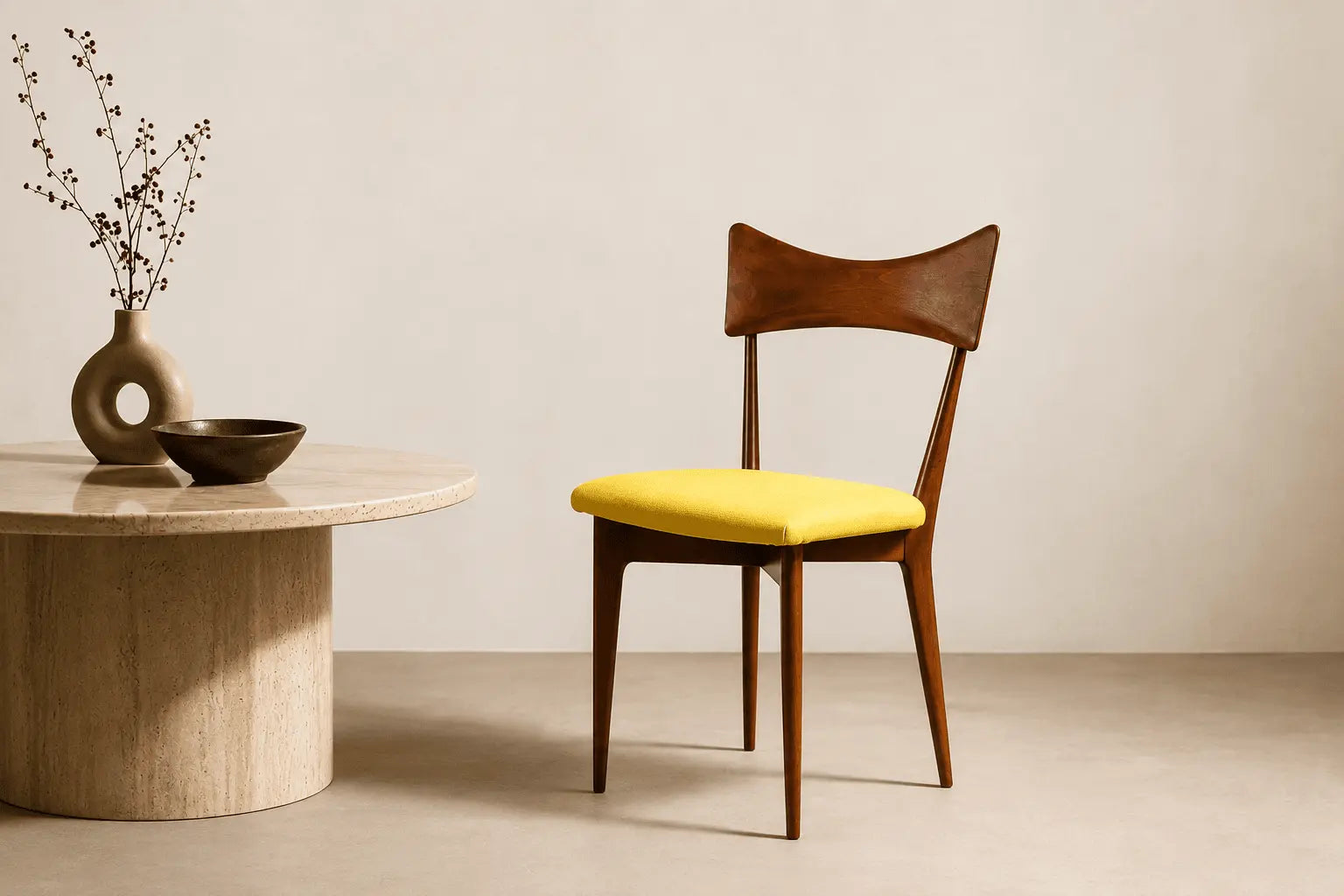
Browsing vintage chairs online is often less about finding a single perfect piece and more about comparing a few strong contenders side by side. Some listings lean toward comfortable club chairs, others toward compact dining chairs or statement armchairs, and the differences in material, condition, and price can change the value quickly. This page is set up to help shoppers scan vintage chairs with a practical eye, so the choice becomes clearer before any purchase is made.
Vintage Chairs: Browse Styles Before You Buy
Set the buying intent and what shoppers can compare
These listings are best viewed as a shortlist tool, not a history lesson. The useful comparisons are straightforward: style, material, condition, and price. A fabric-upholstered chair may look ideal in a living room, while a lacquered wood frame may suit a hallway or dining space better. Shoppers comparing vintage chairs usually want to know which pieces offer the best mix of character, comfort, and budget, so the browsing experience should make that easy.
Show the main chair styles available
Common options usually include club chairs, dining chairs, armchairs, and accent seating. Club chairs tend to feel deeper and more relaxed, which suits reading corners and larger living rooms. Dining chairs are typically lighter and easier to group around a table, especially when sold in pairs or sets. Armchairs bring more support and often work well as standalone statement pieces, such as an antique armchair or a more tailored lounge seat. Accent seating covers occasional chairs and smaller formats, useful when floor space is tight or the budget is lower. For quick filtering, style alone can narrow a search faster than period labels.
Popular Antique Chairs and Vintage Seating Types
Group listings by room and use case
Shopping by room usually makes more sense than starting with an era. Dining rooms call for chairs with a manageable seat height and enough back support for longer meals, especially if you are comparing a set of vintage dining chairs. Living rooms often benefit from a softer seat and a more generous profile, while a reading corner may need arms and a slightly reclined back. Desk chairs and hallway chairs are different again: one needs practical support, the other may need to stay slim and unobtrusive. That functional sorting helps buyers compare antique chairs and vintage seating without getting distracted by style labels alone.
Compare materials and finish options
Material changes both the look and the maintenance. Wooden chairs bring structure and can show attractive grain or carved detail, but they may need more care if the finish is dry or marked. Leather often feels durable and develops a strong patina, though scuffs and creases affect appeal differently from one buyer to the next, as seen in a leather Chesterfield armchair. Upholstered pieces can be more comfortable, especially for lounge use, but fabric condition matters because staining or sagging may add restoration cost. Rattan works well for lighter decorative seating, while mixed-material pieces can offer the best of both comfort and form. Restoration level also matters: light wear can add charm, but heavy repairs may reduce value for some buyers.
| Chair type | Best use | Trade-off |
|---|---|---|
| Club chair | Living room, reading | Bulkier footprint |
| Dining chair | Table seating | Less cushioning |
| Armchair | Relaxed seating | Higher price range |
| Accent chair | Hallway, bedroom | Limited everyday support |
How to Shop Vintage Chairs by Style and Condition
Guide readers through the best filters
The best online search starts with filters for style, period, price, and material. Once those are set, filtered browsing makes it easier to compare similar listings without endless scrolling. Dimensions matter just as much as photographs, especially seat width, height, and overall depth. Upholstery details should be read carefully too, since a fresh cover can hide a worn frame or, occasionally, add serious value, such as on a vintage upholstered armchair. Clear seller descriptions are usually the quickest way to separate a promising listing from one that needs extra caution.
Explain what to inspect before buying
Before committing, check frame stability, joinery, seat wear, and any mention of repairs. A solid frame with light cosmetic wear is often acceptable, especially if the chair is for occasional use or a lower-budget scheme. Loose joints, collapsed padding, or damaged springs can become deal-breakers if the chair is meant for daily sitting. For antique chairs, the right choice depends on intended use: a decorative hallway piece can tolerate more wear than a dining chair that will be used every day. Matching condition to purpose keeps expectations realistic and helps the purchase feel worthwhile.
Choosing the Right Vintage Chair Listing
The strongest listings are usually the ones that balance style, comfort, and honest condition details. Whether the priority is a pair of dining chairs, a single club chair, or a more decorative armchair, the smartest approach is to compare closely related pieces first, including a contemporary design option like a felt chair when you want to weigh vintage against modern forms. That makes it easier to judge price, restoration needs, and long-term suitability before buying.
